Running a business in Australia often requires access to funding. Whether you are managing cash flow, purchasing equipment, hiring staff, expanding operations or covering seasonal expenses, the right finance solution can make a significant difference.
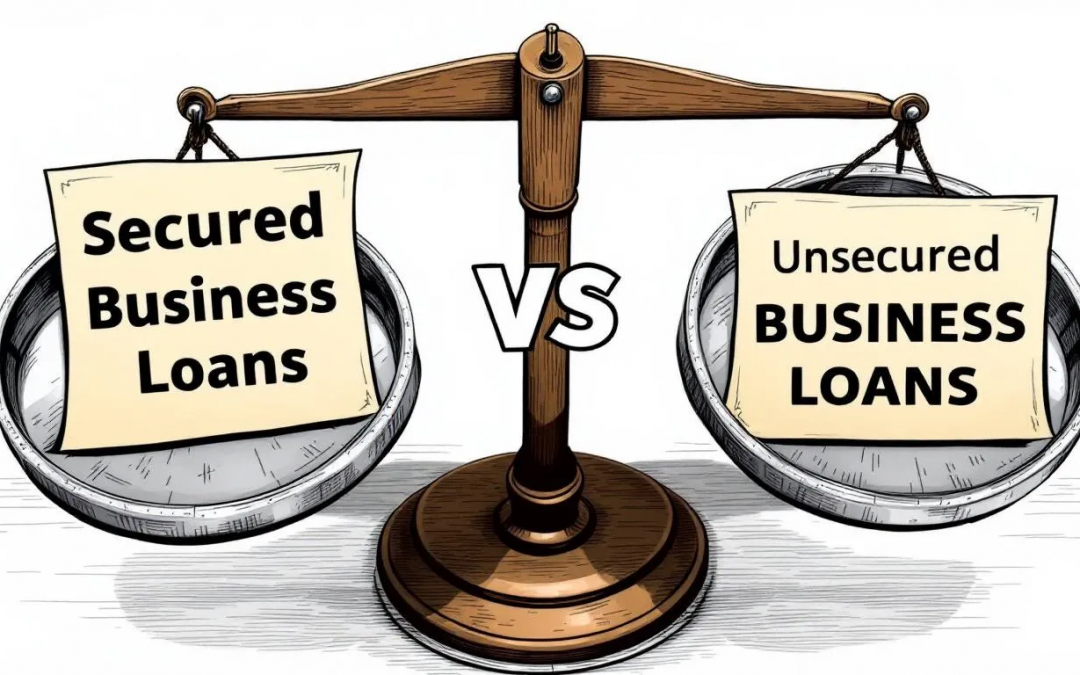
One of the most important decisions you’ll face is choosing between a secured business loan and an unsecured business loan.
While both can provide access to capital, they work very differently. Choosing the wrong type of loan could result in higher borrowing costs, unnecessary risk to your assets, or limited access to funding.
This guide explains everything Australian business owners need to know.
Quick Answer
Secured business loans require an asset as security and generally offer lower rates, larger loan amounts and longer repayment terms.
Unsecured business loans do not require collateral, provide faster approvals and simpler applications, but usually have higher interest rates and lower borrowing limits.
If you have property or valuable business assets and need a larger loan, a secured loan is often the better choice. If you need funds quickly and don’t want to offer security, an unsecured loan may be more suitable.
Table of Contents
What Is a Secured Business Loan?
What Is an Unsecured Business Loan?
Key Differences Explained
Comparison Table
Advantages of Secured Business Loans
Advantages of Unsecured Business Loans
Which Businesses Suit Each Option?
Step-by-Step Guide to Choosing the Right Loan
Real Australian Business Examples
Common Mistakes to Avoid
Expert Tips
FAQs
Final Summary
What Is a Secured Business Loan?
A secured business loan requires you to provide an asset as security for the loan.
Common security includes:
- Residential property
Commercial property
Business premises
Equipment and machinery
Vehicles
Inventory
Accounts receivable
Because the lender has an asset backing the loan, the risk is lower. As a result, lenders generally offer:
Lower interest rates
Higher borrowing limits
Longer loan terms
More flexible repayment structures
Many Australian businesses use secured funding when purchasing commercial assets or expanding operations.
Businesses with available property equity often access more competitive funding through solutions such as Business Loans Australia.
Did You Know?
Many lenders allow business owners to leverage residential property equity to access larger business funding facilities while reducing borrowing costs.
What Is an Unsecured Business Loan?
An unsecured business loan does not require a specific asset as security.
Instead, lenders assess:
- Business turnover
Cash flow
Trading history
Credit profile
Director guarantees
Existing liabilities
Because the lender takes more risk, unsecured finance typically comes with:
Higher interest rates
Lower loan amounts
Shorter repayment terms
The benefit is speed.
Many lenders can approve unsecured loans within 24-72 hours.
Secured vs Unsecured Business Loans: Key Differences
Security Requirements
Secured Loan
Requires collateral.
Examples:
Property
Equipment
Vehicles
Invoice books
Unsecured Loan
No collateral required.
Approval relies largely on business performance and serviceability.
Loan Amounts
Secured loans can often support:
$100,000
$500,000
$1 million+
Multi-million-dollar facilities
Unsecured loans usually provide:
$5,000
$50,000
$250,000
Up to approximately $500,000 depending on lender policies
Approval Times
Secured Finance
Typically requires:
Property assessment
Valuation
Verification of security
Approval can take several days or weeks.
Unsecured Finance
May rely on:
Recent bank statements
BAS statements
Trading performance
Some lenders provide same-day approvals.
Advantages of Secured Business Loans
Lower Interest Costs
Because security reduces lender risk, borrowing costs are often more affordable.
This can save thousands over the life of the loan.
Higher Borrowing Capacity
Businesses seeking significant funding for:
Property purchases
Expansion
Acquisitions
Working capital
often benefit from secured funding structures.
Longer Terms
Longer repayment periods reduce monthly cash flow pressure.
Greater Flexibility
Many commercial lenders can structure customised facilities where security exists.
Businesses exploring larger growth opportunities often investigate both traditional business lending and specialised alternatives such as private loans 24 when mainstream funding isn’t suitable.
Advantages of Unsecured Business Loans
Fast Access to Capital
For urgent opportunities, speed matters.
Examples:
Stock purchases
Contract fulfilment
Unexpected expenses
No Asset Risk
You don’t provide property or equipment as security.
Simple Application Process
Many lenders require minimal documentation.
Better for Newer Businesses
Some lenders focus heavily on revenue performance rather than available security.
When Invoice Finance May Be a Better Alternative
Many business owners assume the only options are secured or unsecured loans.
That’s not always true.
Businesses that issue invoices can use https://www.privateloans24.com.au/invoice-finance/ to unlock cash tied up in unpaid invoices.
Rather than waiting 30, 60 or 90 days for customers to pay, invoice finance allows immediate access to working capital.
Benefits include:
Faster cash flow
No need to offer property security
Funding grows with sales
Help managing debtor books
For businesses experiencing cash flow pressure can often be more efficient than a traditional business loan.
Which Businesses Suit Secured Loans?
Secured loans often suit:
✅ Established companies
✅ Property investors
✅ Construction firms
✅ Manufacturers
✅ Transport operators
✅ Professional practices
✅ Growing SMEs requiring significant capital
Businesses looking to expand through acquisitions or commercial property purchases frequently utilise business loan solutions.